RSS Feed for Restoration Restoration
Oil Spill: BP targets submerged oil
BP cleanup contractors said they will be stepping up efforts in coming weeks to collect tons of buried oil and tar beneath the surface of beaches and waterways in Escambia County.
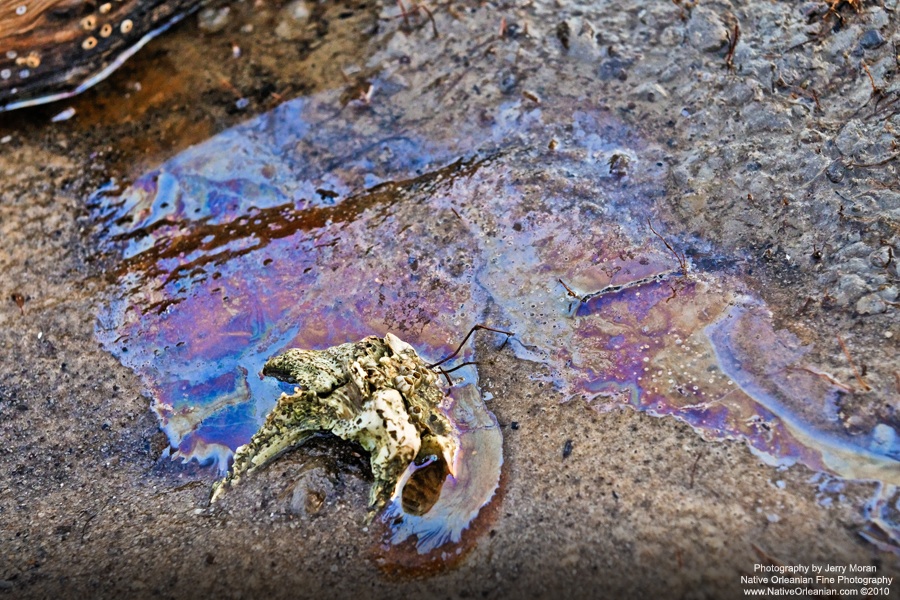
Tar balls return to Gulf Coast
ORANGE BEACH, AL (CNN) – It’s been several weeks since tar balls have been found on the Gulf Coast, but they are once again washing ashore in Orange Beach, AL.
The tar balls were first spotted last weekend. Some are the size of hamburger patties.
Draft report from state oil spill panel due soon
OCEAN SPRINGS, Mississippi – A draft report by the Mississippi Gulf of Mexico Commission that is to develop a plan for the coast recovery from the Deepwater Horizon oil spill is expected to be completed within weeks, said William Walker, executive director of the Mississippi Department of Marine Resources.
Gulf oil spill stirs up activism
SARASOTA COUNTY – Although this region avoided its devastating effects, the BP Deepwater Horizon oil spill prompted the formation of new environmental groups here and generated more public interest in water quality and wildlife protection across Florida.
Scientists wary of BP oil spill’s long-term effects on species
Federal officials planning the recovery from the effects of the BP Macondo oil spill should remain on guard for signs of the collapse of fish or wildlife species in and around the Gulf of Mexico in the years to come, say more than 40 scientists gathered in Sarasota, Fla., to discuss long-term scientific responses to the spill.
DEQ to update oil spill damage assessment Thursday
OCEAN SPRINGS, MS (WLOX) – The Mississippi Department of Environmental Quality will show off the latest work being done to assess the damage along the Gulf Coast from the Deepwater Horizon oil spill.
Officials Aim To Clean Oily Beaches By Spring
NEW ORLEANS – The beaches are a popular destination for university students and other visitors during spring break, which peaks around March. Officials are aiming to clean up all the oil from the BP PLC spill from Florida and Alabama beaches before next year’s spring tourist season.
Oil Spill Claims Hot Topic At Coastal Recovery Commission Meeting (VIDEO)
(ORANGE BEACH, Ala.) – Oil spill claims were the hot topic at the first Coastal Recovery Commission meeting Monday night. Hundreds packed the Orange Beach Community Center to talk about oil spill recovery.
In a meeting to lay out a five-year plan on moving forward on beach cleanup, the economy and more – money got most of the attention.
Oil spill task force feels friction from critics
The government’s newest oil spill task force held its first meeting in Pensacola on Monday, drawing hundreds of government and community representatives from across the Gulf Coast.
‘Shadow’ of oil spill seen in Gulf of Mexico plankton
It is possible to trace oil from the BP spill as it moved through the first several levels of the Gulf’s food chain, starting with the microbes that broke the oil down, according to a scientific paper released today (Nov. 8).
Letting BP Off the Hook: Blurring the Line Between Environmental and Economic Damage
A conflict is brewing between Alabama officials and the federal government over how to use funds specifically set aside for restoring the Gulf’s natural environment. And while you can understand the arguments for lumping together environmental and economic damages, it’s legally and strategically imperative that we keep the two separate.
George Altman from Mobile’s Press-Register covered the dust-up that included this comment from Alabama Gov. Bob Riley’s press secretary: “You really can’t separate the damage done environmentally and the damage done economically.”
And this from the governor himself: “For the federal government to come up and say that all of this NRDA (Natural Resource Damage Assessment) money has to go out for ecological restoration, and not for economic, is typical for a federal bureaucracy, telling the people what their needs are… We never need to get to the point that any state has to have permission from the federal government to spend money that is rightfully ours.”
I understand where the governor is coming from, but I believe that we can – and we must – separate environmental and economic damages. Clearly, the Alabama approach is to take money specifically set aside for natural-resources damages and use it for something else, like economic recovery. With so many Gulf residents facing financial ruin, that’s an understandable reaction, but a more effective strategy is to increase BP payments and fix the claims system, not divert important resources from environmental restoration. Economic claims have the courts to help recover damages, but environmental restoration will largely depend on fines from laws like the Clean Water Act. And there is concern that the fines may not be enough to cover the widespread and long-term damage to the Gulf ecosystem.
Using restoration money to offset economic losses will, in effect, let BP off the hook to a large degree because it will reduce pressure on the company to “make it right.” Doing so would work against the interest of all Americans, who certainly have a stake in making sure Gulf restoration is not short-changed. One thing is very clear: The economic damage to our nation will be severe and long-lasting if we don’t fully restore the Gulf environment as soon as possible.
See the Register story here: http://blog.al.com/live/2010/11/riley_feds_are_demanding_contr.html
© Smith Stag, LLC 2010 – All Rights Reserved
Gov. Riley: Feds are demanding control over oil spill recovery funds
WASHINGTON, D.C. — Gov. Bob Riley slammed President Barack Obama and other federal officials last week, saying they are breaking promises on how states can spend money expected as a result of the oil spill and who must approve the spending.
Is “Operation Deep Clean” Working? (VIDEO)
When BP initiated Operation Deep clean, three sand sharks, three power screens and countless other pieces of beach cleaning equipment were brought to Orange Beach. BP officials said they would begin the beach overhaul at the Alabama-Florida state line and work their way west, eventually reaching Gulf Shores.
NEW FINDINGS ALARM SCIENTISTS: Spans of Dead Coral Covered in Brown Substance Found 7 Miles from BP Macondo Well
We’ve known for a while that the enormous BP oil spill would have a devastating impact on ocean life, including coral, and now one of the first major examples of that fact may be surfacing seven miles from the Deepwater Horizon site.
Reports the Times-Picayune out of New Orleans: “A brown substance is killing coral organisms in colonies located 4,600 feet deep about seven miles southwest of the failed BP Macondo oil well, according to scientists who returned Thursday from a three-week cruise studying coral reefs in the northern Gulf of Mexico.”
According to the TP, the “finding is the first case in which researchers have found evidence that living organisms in the deepwater area near the well site might have been killed by oil from the spill.” The discovery is of particular importance because of the critical role coral plays in the ecosystem of the Gulf.
The announcement came from NOAA, which makes me suspect they were just getting out in front of this story before being embarrassed (again) by independent scientists – who continue to break news about the ongoing impacts of the spill.
This particular fact-finding effort, NOAA says, was not specifically to research oil spill impacts. Among other things, they were looking into how oil rigs become a sort of artificial reef habitat (because apparently that’s what’s truly important in the wake of the worst environmental disaster in our history). But onboard the research vessel were scientists from Penn State, LSU, the Woods Hole Oceanographic Institution, Temple University, Florida State University, the U.S. Geological Survey, PAST Foundation, T.D.I Brooks International and C&C Technologies.
My guess is this is the first of many such findings and NOAA is just getting into its “spin cycle” a bit early this time around.
Check out the story here: http://www.nola.com/news/gulf-oil-spill/index.ssf/2010/11/scientists_find_dead_and_dying.html
© Smith Stag, LLC 2010 – All Rights Reserved